These are 25 of America’s Best City Parks
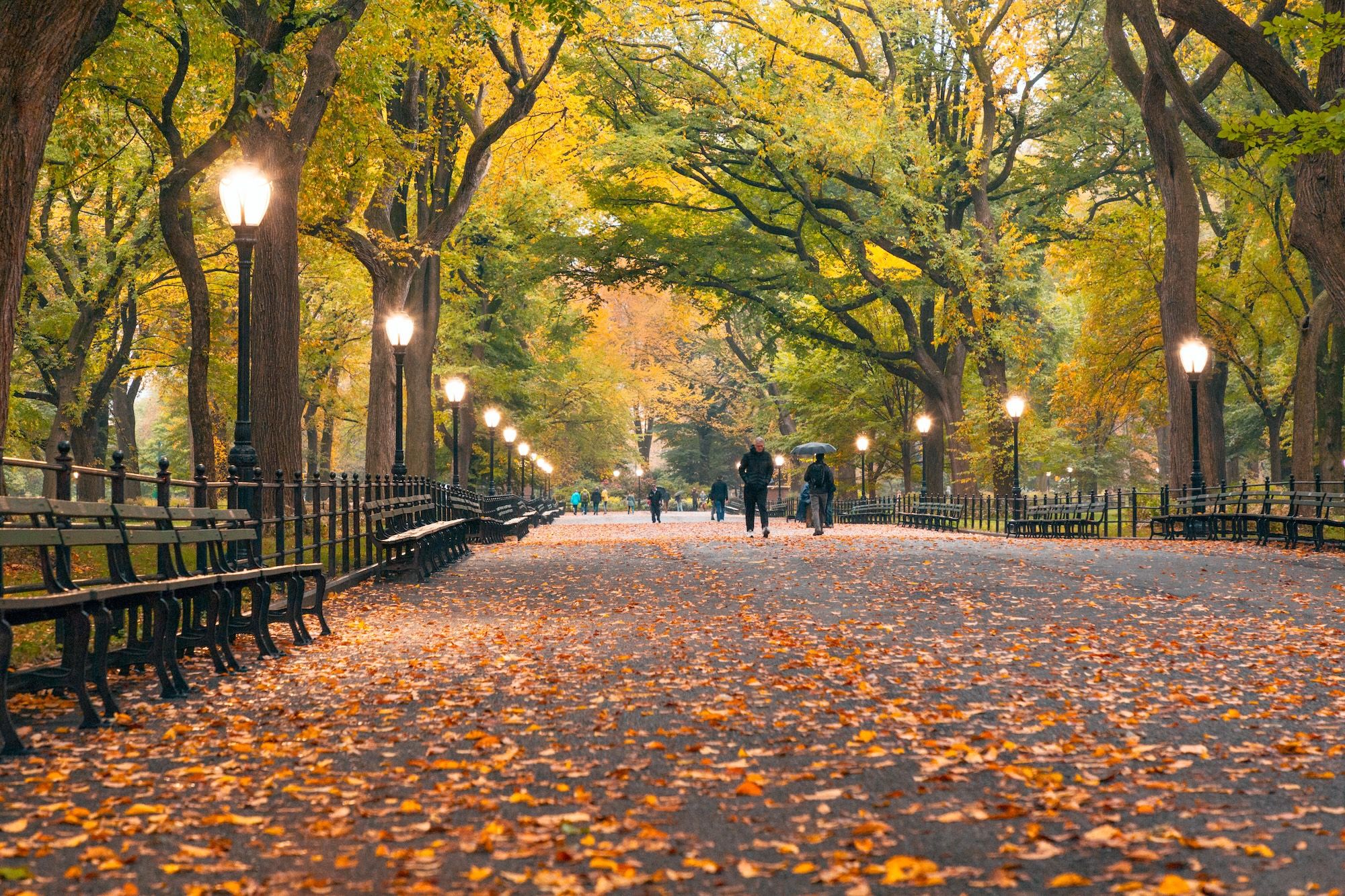
City parks serve as urban sanctuaries, offering respite from the hustle and bustle of city life.
These green spaces are not just for leisure and relaxation; they play a vital role in enhancing the quality of urban living.
From the iconic Central Park in New York City to the serene spaces in smaller cities, this article explores the diverse and beautiful city parks across the nation.
Central Park, New York City, New York
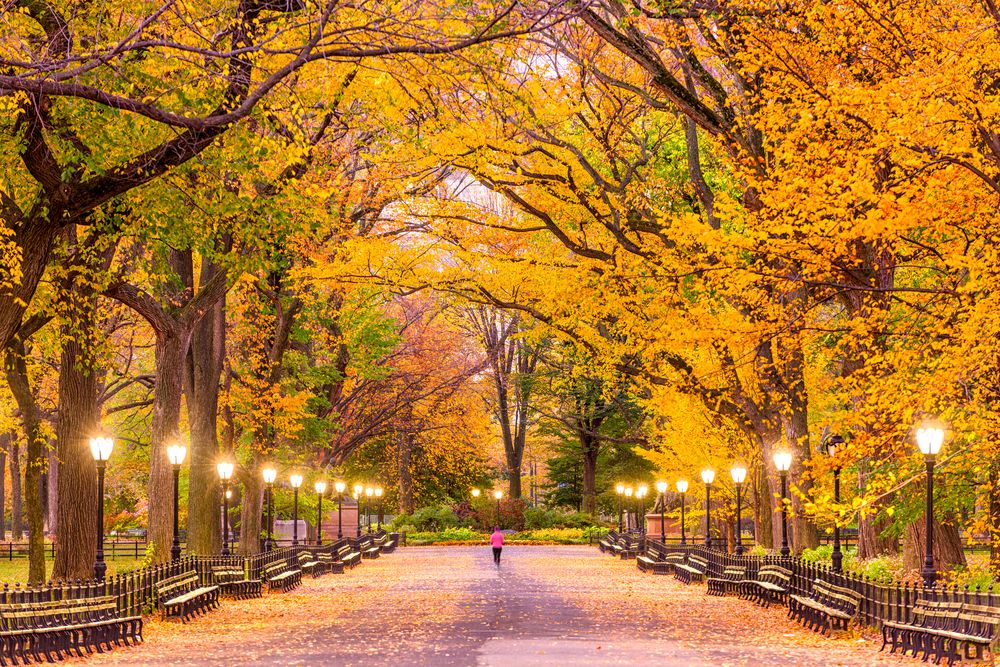
This world-renowned park, designed by Frederick Law Olmsted and Calvert Vaux, is an urban masterpiece.
Spanning over 843 acres, Central Park is an oasis in the heart of Manhattan.
Key features include The Mall, with its stunning elm tree canopy, and the picturesque Bethesda Terrace overlooking the lake, a popular spot for boating.
Boston Common, Boston, Massachusetts
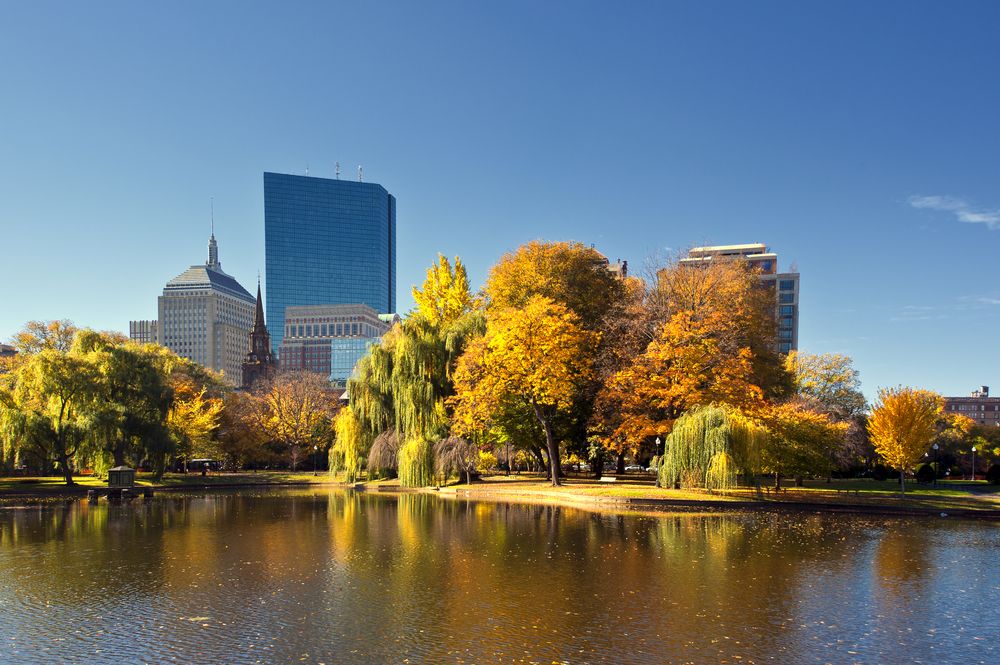
America’s oldest public park, Boston Common, is steeped in history.
It has witnessed historical speeches and gatherings since 1634.
The park’s 50 acres feature the Frog Pond, which doubles as a skating rink in winter, and the iconic Swan Boats that glide gracefully in the Public Garden lagoon during warmer months.
Fairmount Park, Philadelphia, Pennsylvania
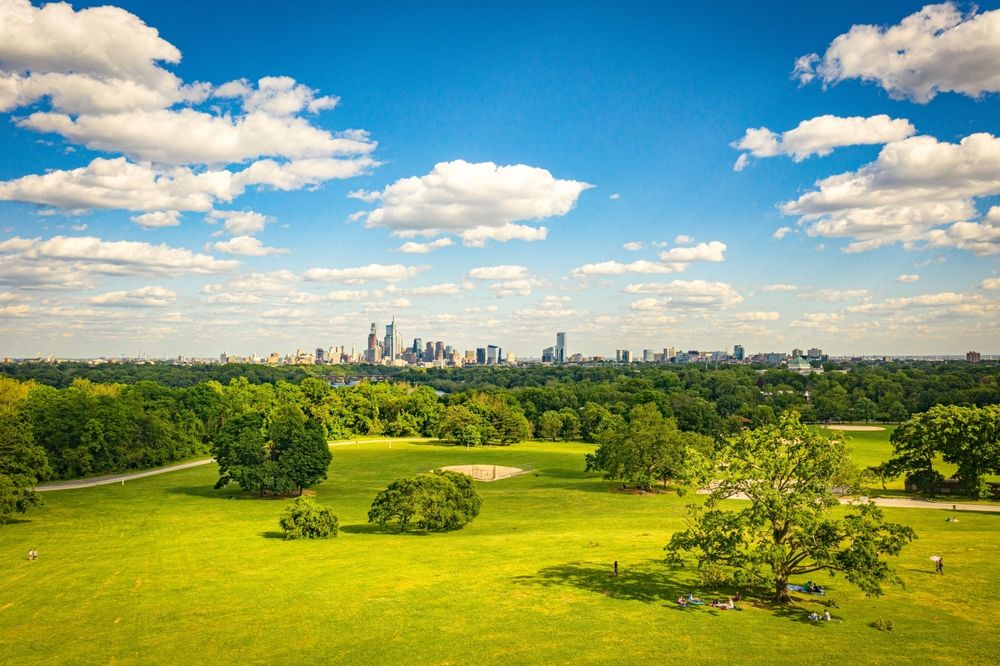
Fairmount Park, one of the largest urban parks in the country, encompasses over 2,000 acres.
It’s a collection of museums, historic mansions, and the Philadelphia Zoo.
The Japanese House and Garden add a touch of tranquility to this bustling park.
Millennium Park, Chicago, Illinois
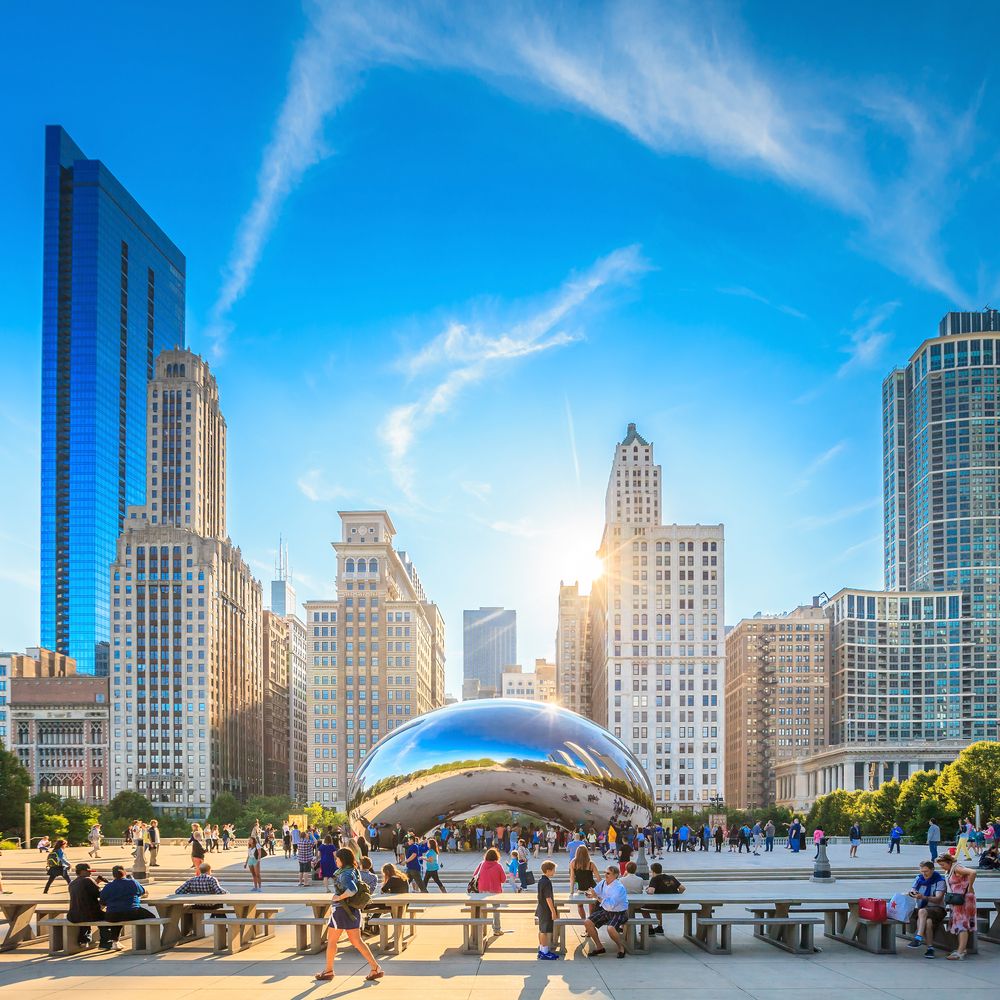
Nestled within Chicago’s larger Grant Park, Millennium Park is famous for its contemporary design and public art.
The Cloud Gate sculpture, also known as “The Bean,” is a must-see, along with the interactive Crown Fountain, which captivates visitors with its unique digital faces.
Forest Park, St. Louis, Missouri
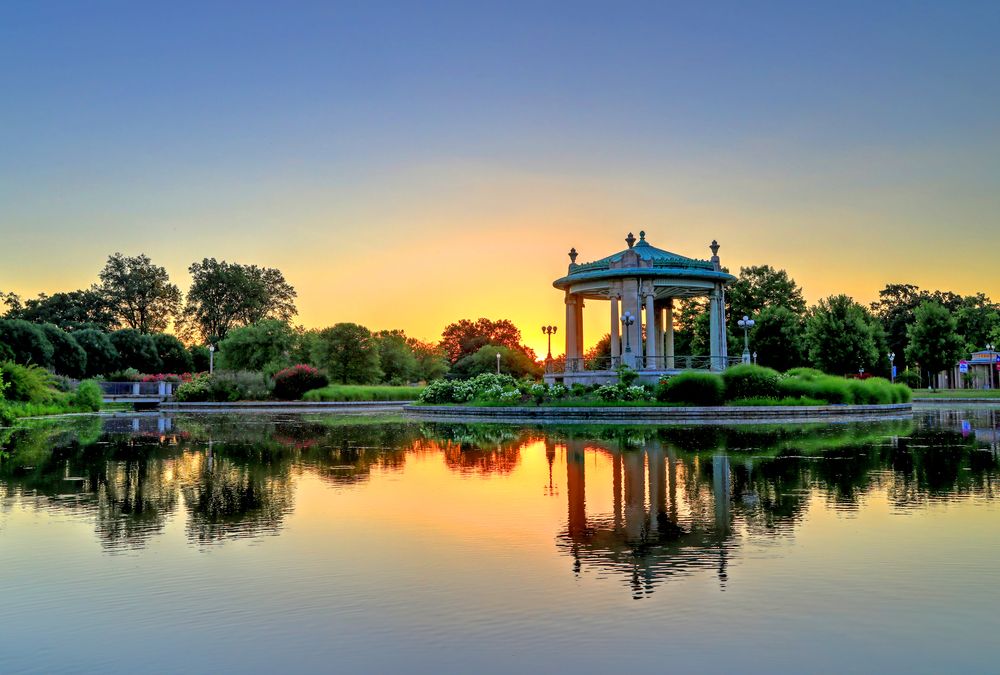
This park is larger than New York’s Central Park and is rich in history, having hosted the 1904 World’s Fair.
Its sprawling grounds house the St. Louis Zoo, art and history museums, and the picturesque Jewel Box greenhouse.
Belle Isle Park, Detroit, Michigan
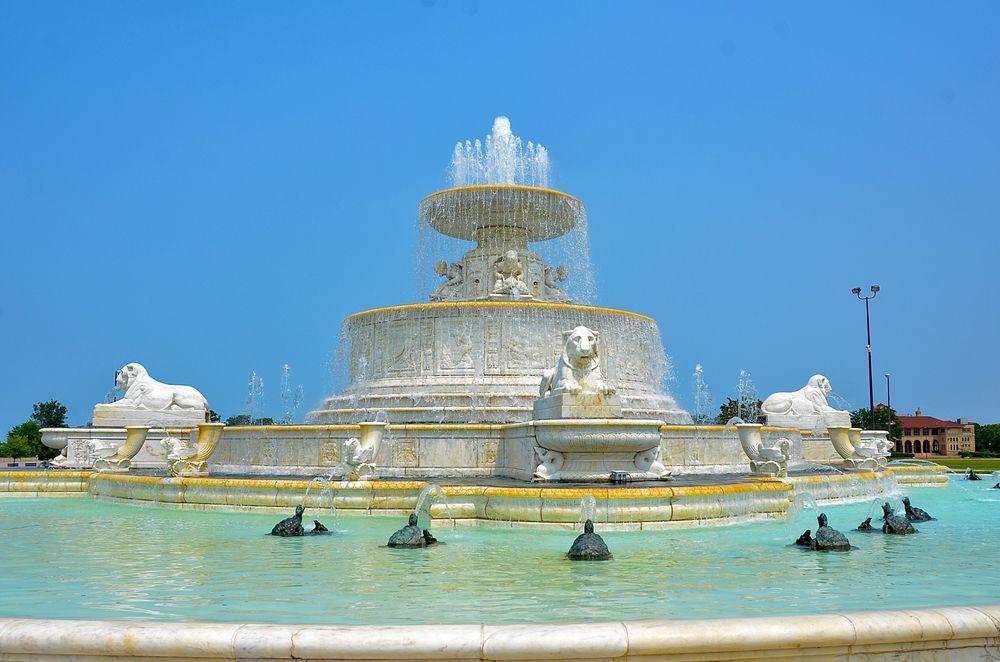
A unique island park on the Detroit River, Belle Isle Park offers a conservatory, a nature zoo, and an aquarium.
The park’s peaceful environment makes it a perfect spot for leisurely strolls and picnics.
Audubon Park, New Orleans, Louisiana
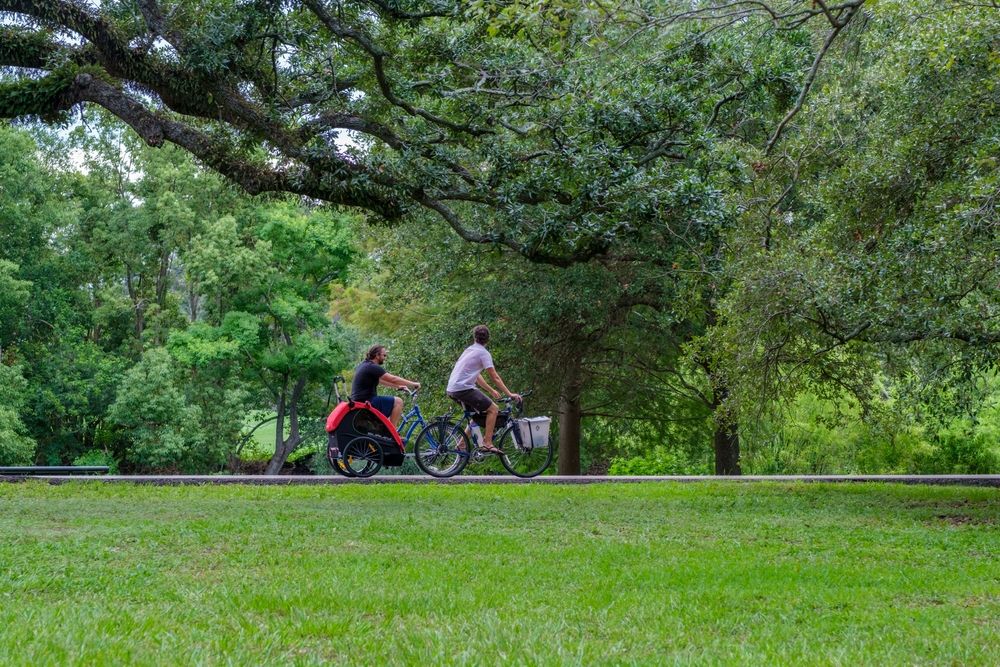
Named after naturalist John James Audubon, this park is a blend of historic oak trees, lagoons, and sprawling green spaces.
It’s a popular spot for jogging and picnicking, with picturesque trails and scenic waterways.
Zilker Metropolitan Park, Austin, Texas
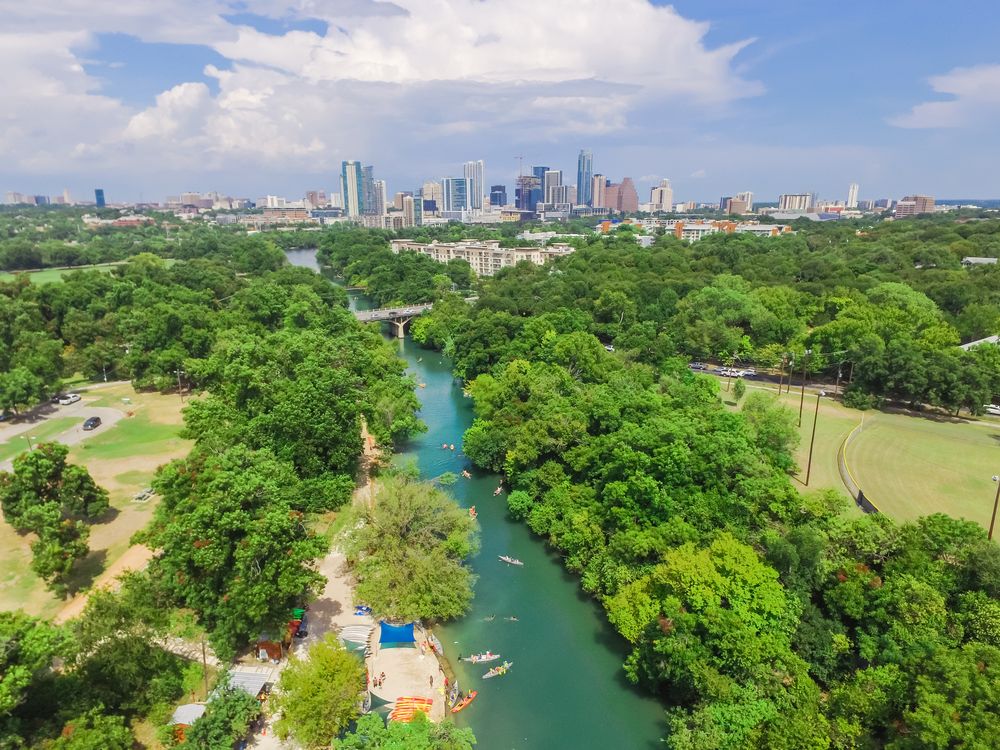
A 351-acre park, Zilker is a favorite among residents and tourists alike.
The Barton Springs Pool, a natural spring-fed swimming area, is a refreshing retreat on hot Texas days.
The park also hosts the Austin City Limits Music Festival annually.
Piedmont Park, Atlanta, Georgia
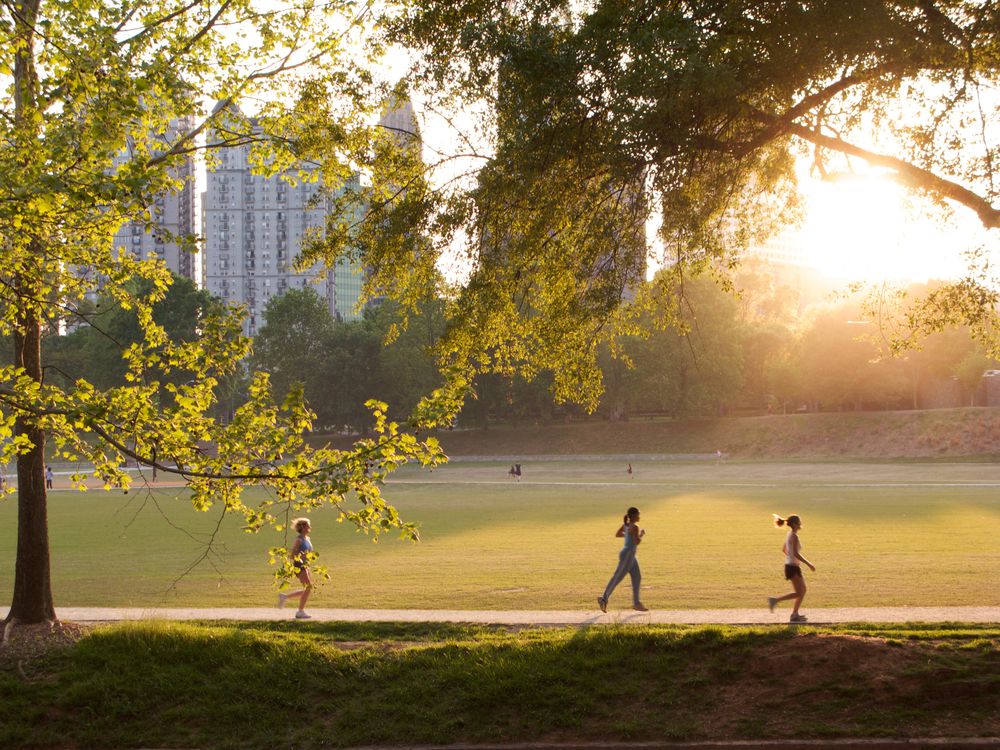
Offering panoramic views of the Atlanta skyline, Piedmont Park boasts expansive green lawns and walking trails.
It’s a cultural hotspot, hosting events like the Atlanta Jazz Festival and the Atlanta Dogwood Festival.
Golden Gate Park, San Francisco, California
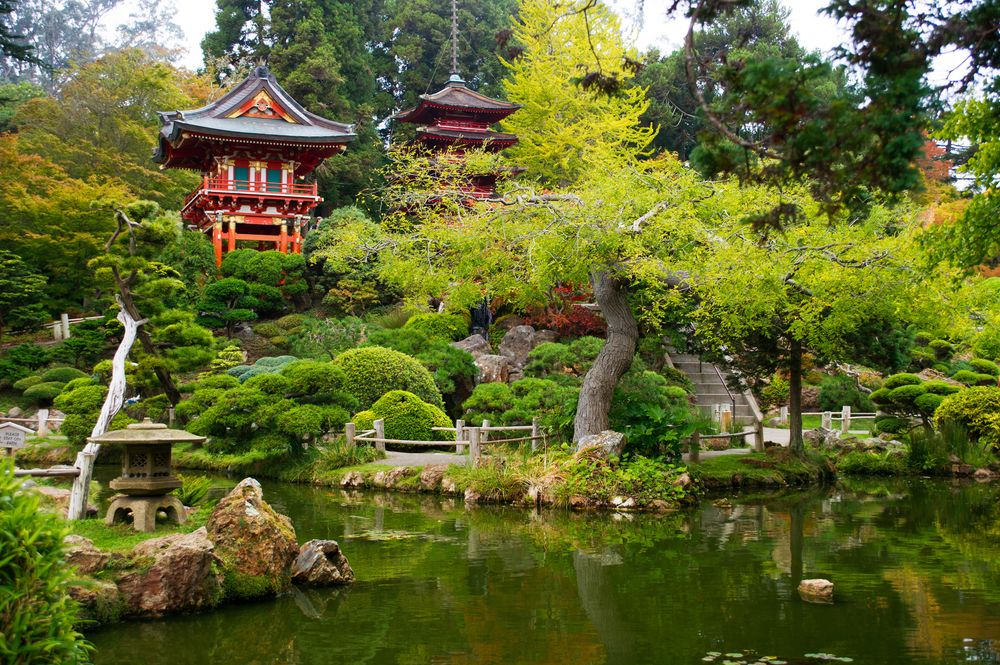
Larger than New York’s Central Park, Golden Gate Park is a haven for nature lovers.
Highlights include the Japanese Tea Garden, the oldest public Japanese garden in the United States, and the de Young Museum, with its impressive art collections.
Griffith Park, Los Angeles, California
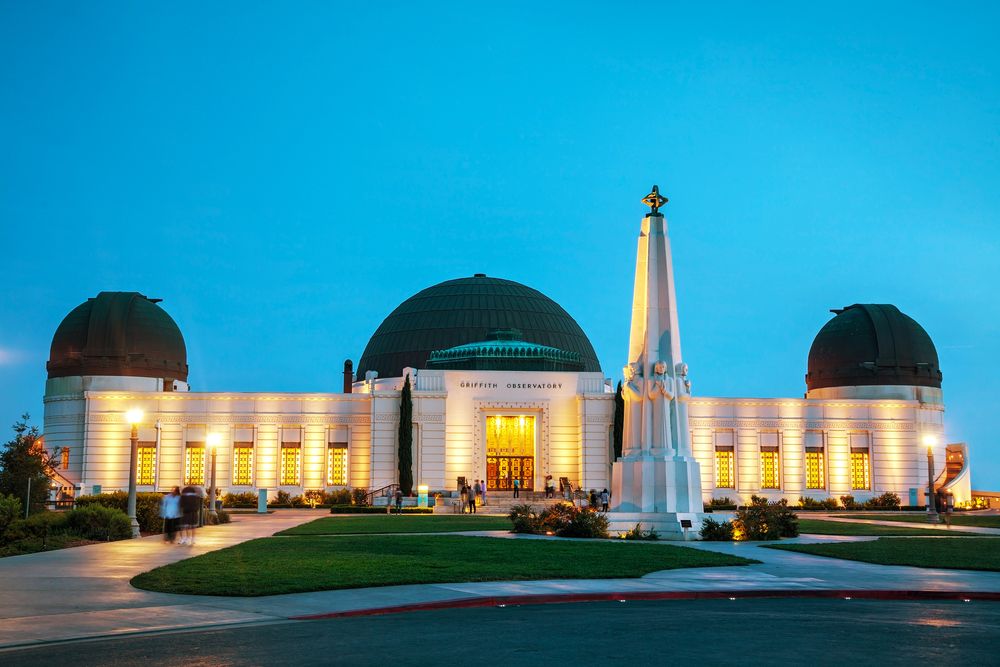
As one of the largest urban parks in North America, Griffith Park offers rugged terrain and panoramic views of the Los Angeles Basin.
Notable landmarks include the Griffith Observatory and the iconic Hollywood Sign.
Balboa Park, San Diego, California
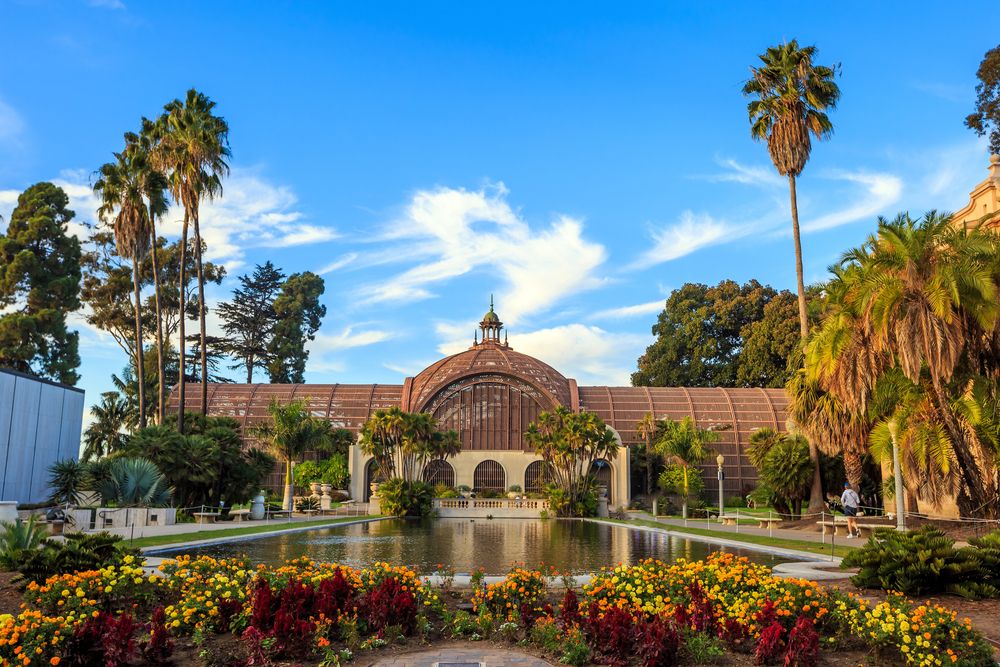
Known for its rich cultural offerings, Balboa Park houses numerous museums, theaters, and the world-famous San Diego Zoo.
The park’s architecture and gardens reflect the Spanish Revival style, adding to its charm and beauty.
Washington Square Park, Washington D.C.
Famous for its large fountain and the iconic Washington Square Arch, this park is a hub of activity and a popular gathering place for artists, students, and locals.
Prospect Park, Brooklyn, New York
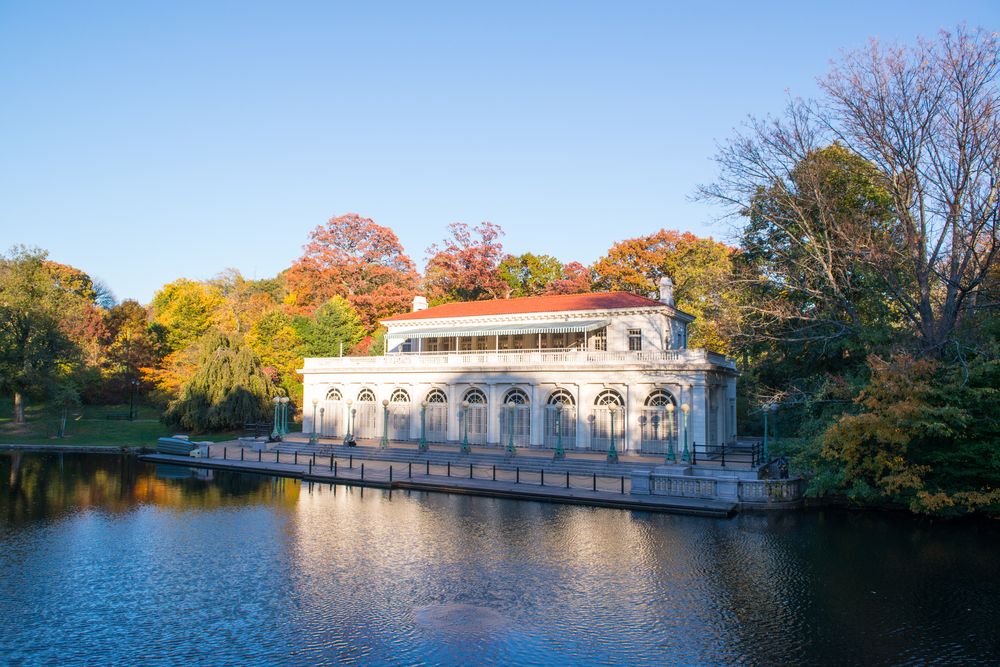
Designed by the same architects as Central Park, Prospect Park is a haven in the heart of Brooklyn.
It features a large lake, an ice-skating rink, and the Prospect Park Zoo.
Emerald Necklace, Boston, Massachusetts
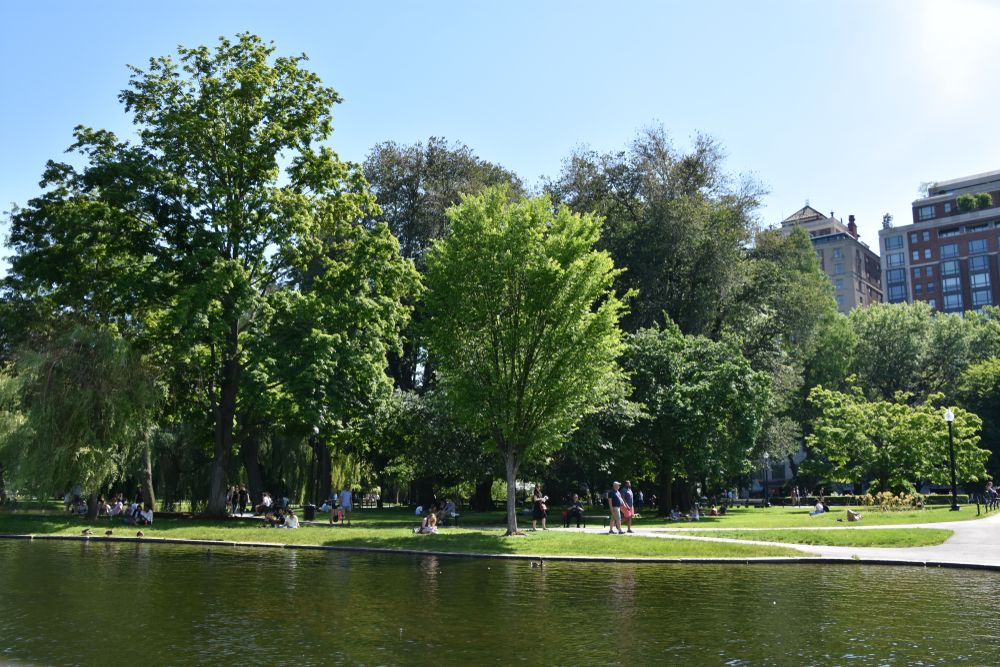
This chain of parks designed by Frederick Law Olmsted stretches over 1,100 acres, linking Boston Common to Franklin Park.
It’s known for its beautifully landscaped pathways and waterways.
Theodore Wirth Park, Minneapolis, Minnesota
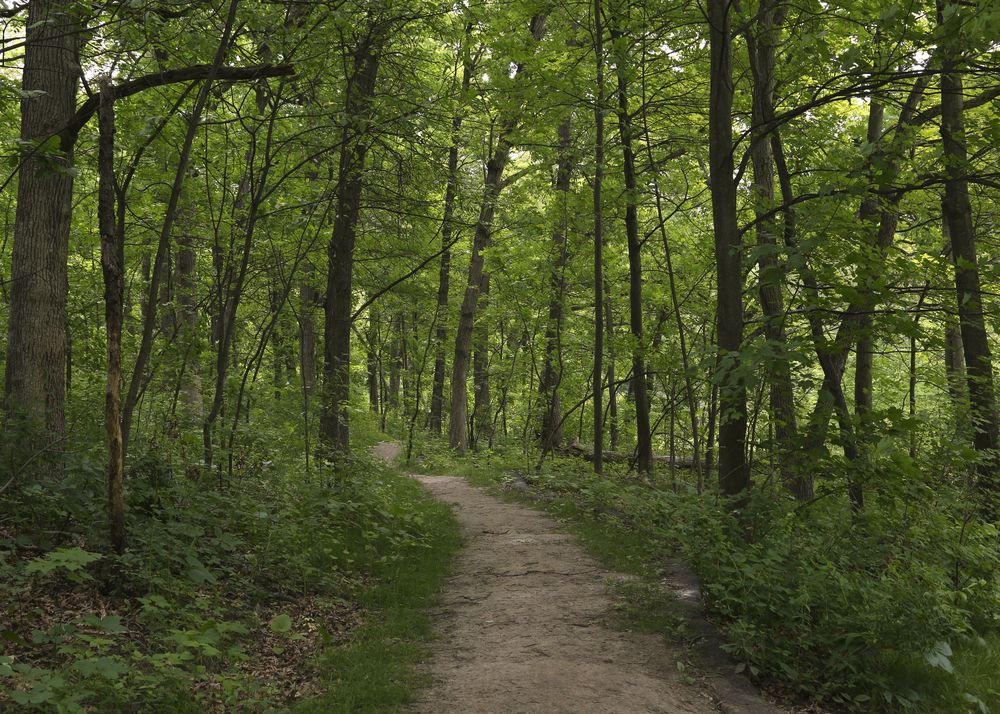
The largest park in the Minneapolis park system, it offers a golf course, a lake for swimming and fishing, and extensive trails for hiking and cross-country skiing.
Indianapolis Cultural Trail, Indianapolis, Indiana
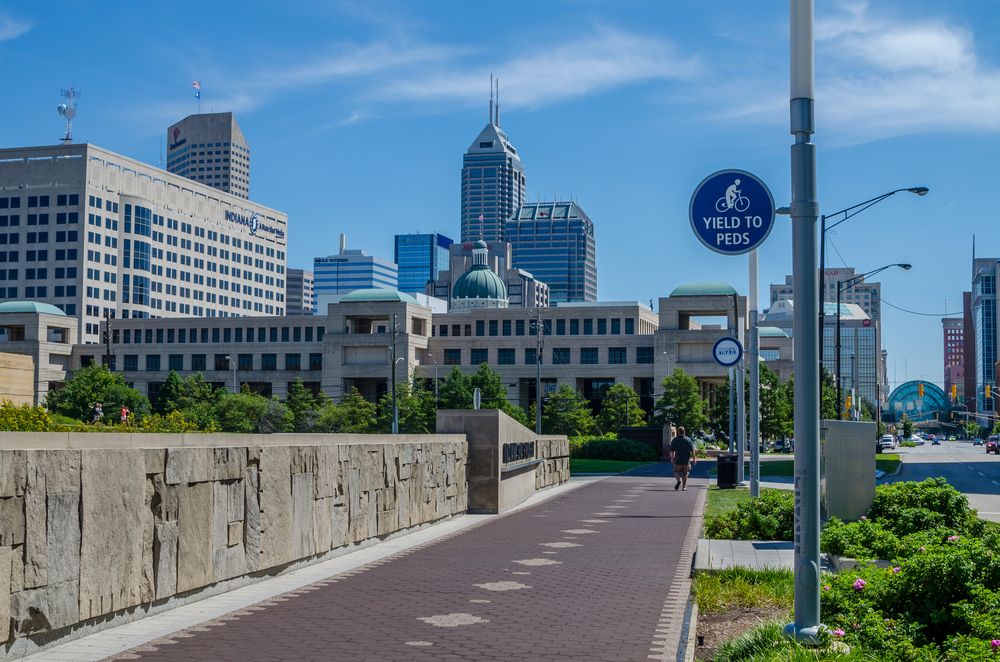
A unique urban trail connecting neighborhoods, Cultural Districts, and entertainment amenities while serving as a downtown biking and walking path.
Forest Park, Portland, Oregon
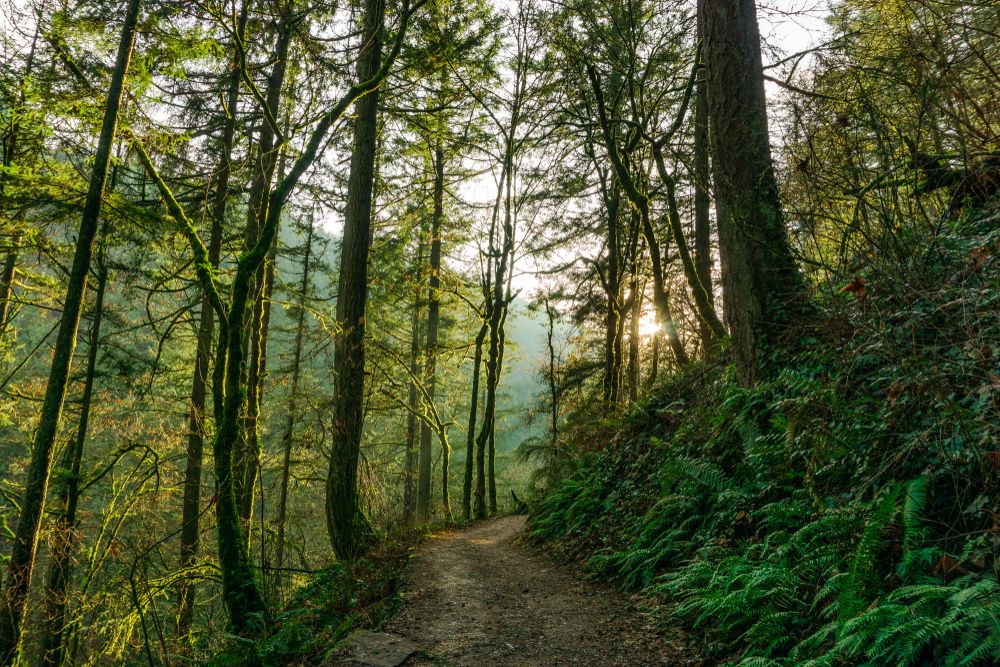
One of the largest urban forests in the United States, with miles of hiking and biking trails through lush woodlands.
Hermann Park, Houston, Texas
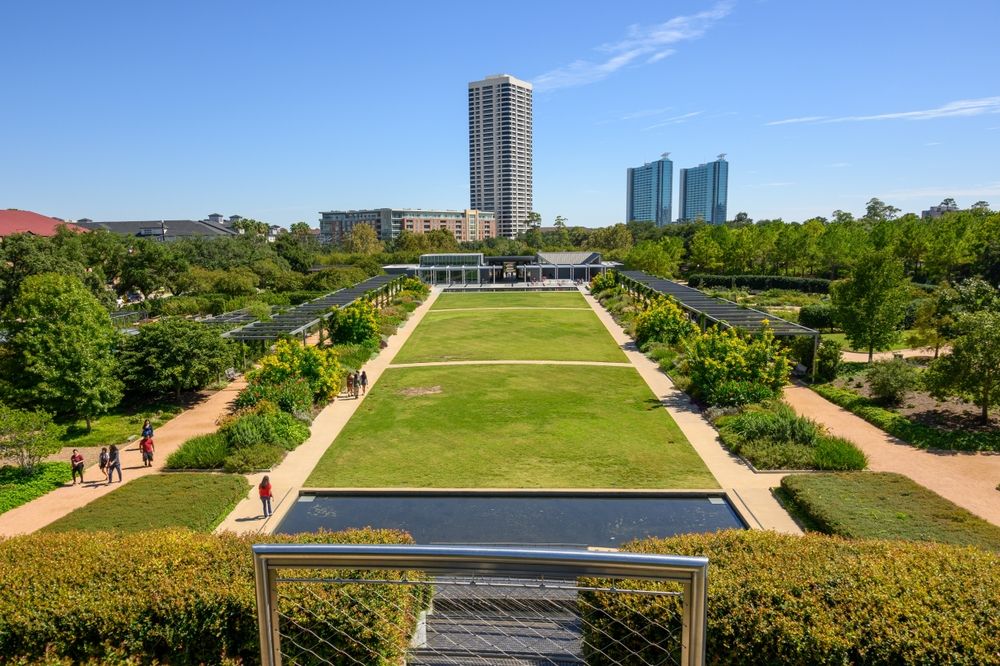
Home to the Houston Zoo and the Houston Museum of Natural Science, this park is a cornerstone of the city’s park system with beautiful gardens and outdoor theater.
Freedom Park, Charlotte, North Carolina
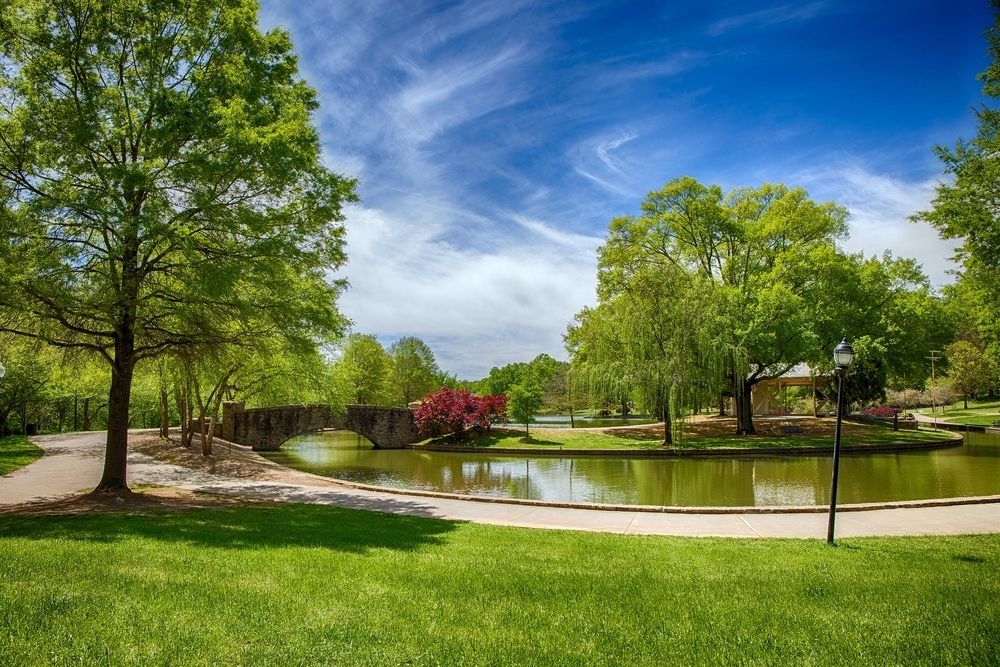
Encompassing 98 acres, it’s known for its large lake, walking trails, and sports facilities, and serves as a central connecting point for several city neighborhoods.
Klyde Warren Park, Dallas, Texas
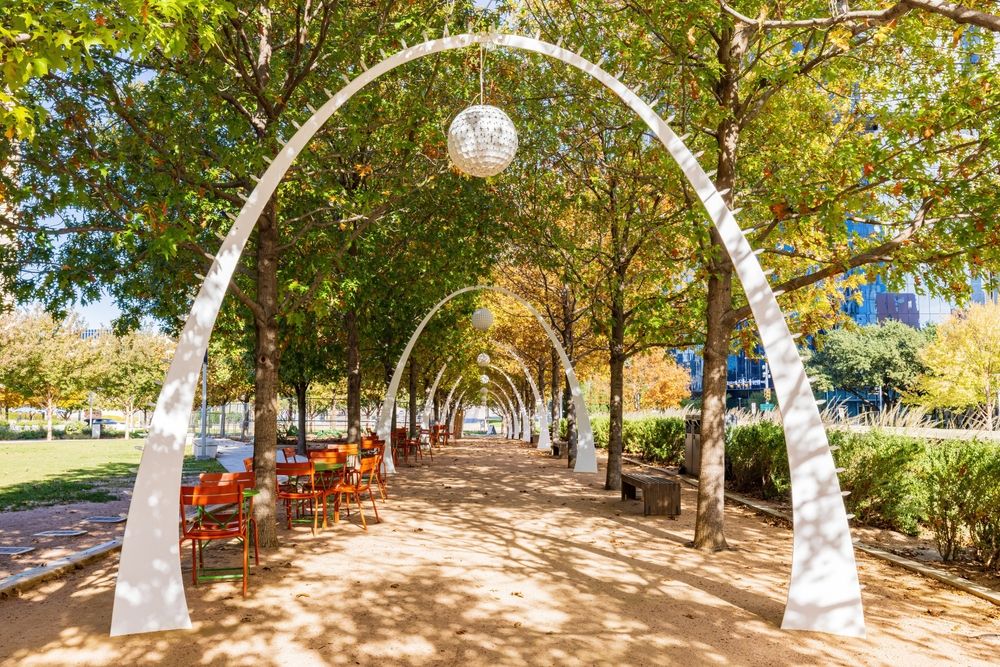
A highly active space built over a freeway, it features a children’s park, a performance pavilion, and spaces for games and activities.
Washington Park, Portland, Oregon
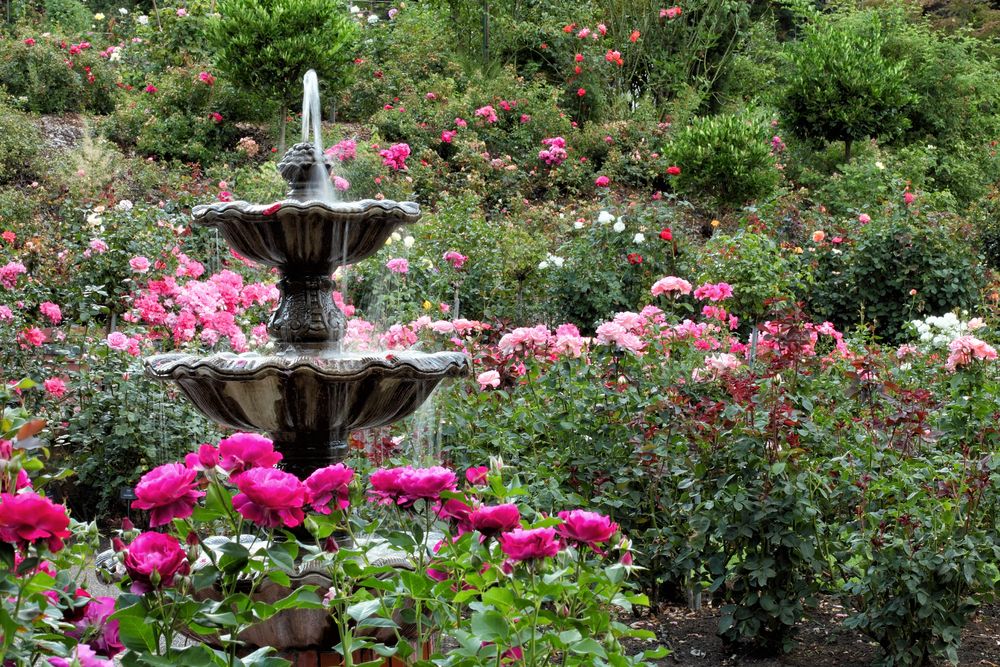
This expansive park is home to the Oregon Zoo, the Portland Japanese Garden, and the International Rose Test Garden, offering a wide range of attractions.
Chapman and Lownsdale Squares, Portland, Oregon
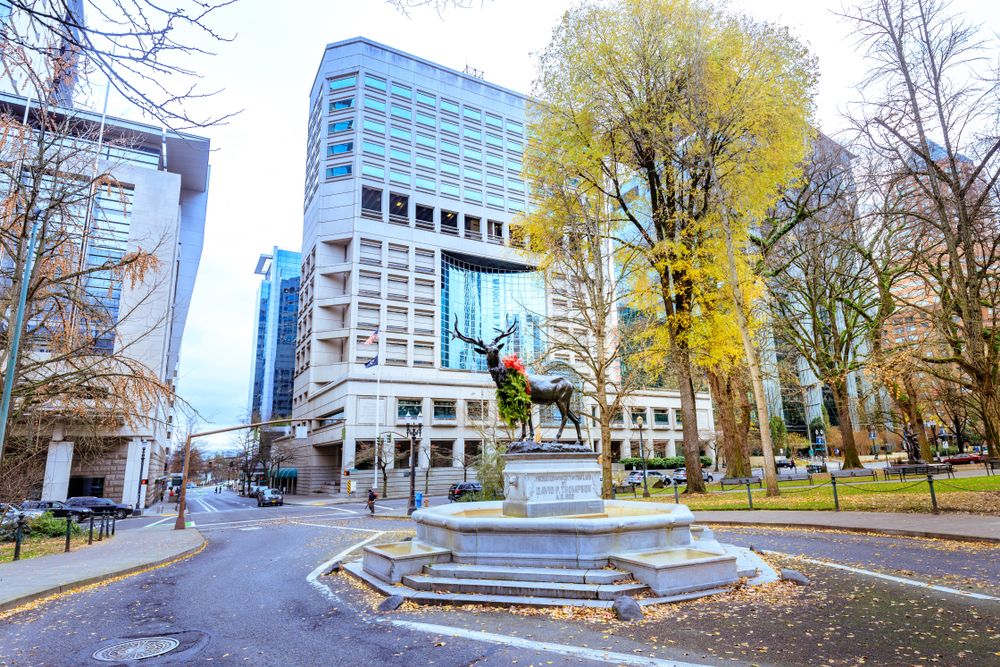
These twin parks are historical in nature, hosting Portland’s oldest public art and functioning as urban green spaces amidst the cityscape.
Cheesman Park, Denver, Colorado
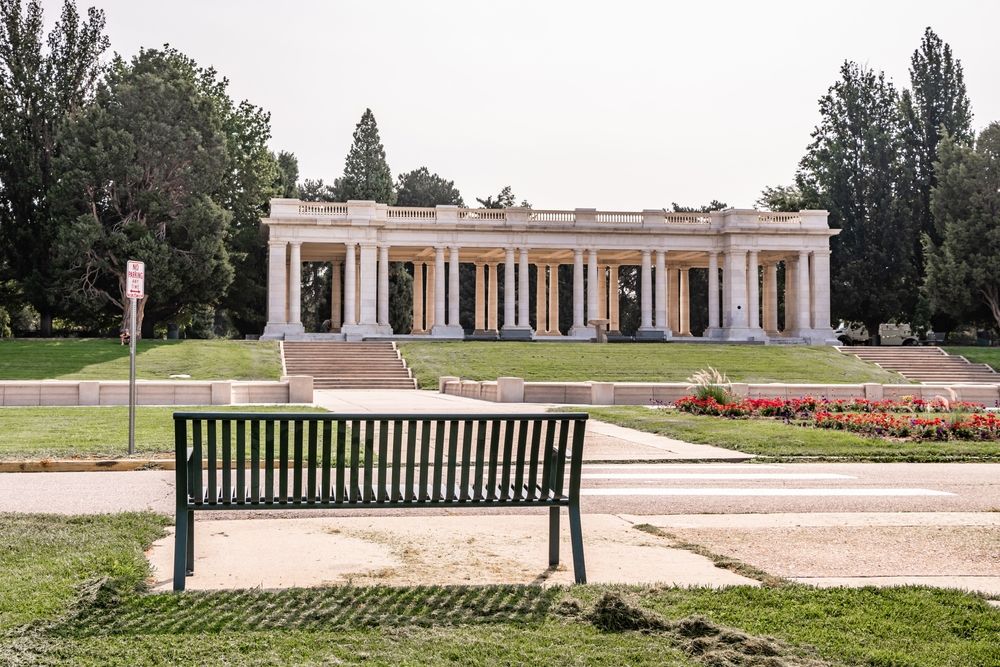
Known for its wide-open spaces and classical pavilion, Cheesman Park offers stunning views of the city and the Rocky Mountains.
City Park, New Orleans, Louisiana
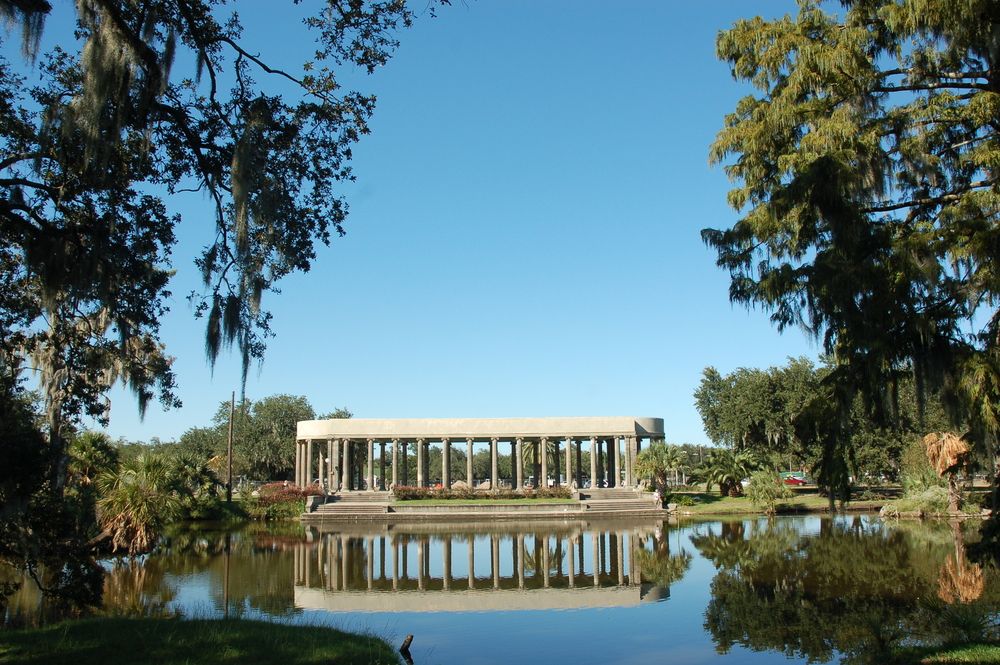
One of the oldest parks in the country, City Park boasts the world’s largest collection of mature live oak trees, some over 800 years old, along with the New Orleans Museum of Art and a beautiful sculpture garden.
Final Thoughts
The 25 parks highlighted in this article showcase the diversity and beauty of America’s urban green spaces.
Each park, with its unique characteristics and history, contributes significantly to the urban landscape and the quality of life in cities.
These parks are not just places to escape to; they are integral parts of their communities, playing a vital role in environmental conservation and social interaction.
Whether you’re seeking tranquility, recreation, or cultural enrichment, these city parks offer a little something for everyone.